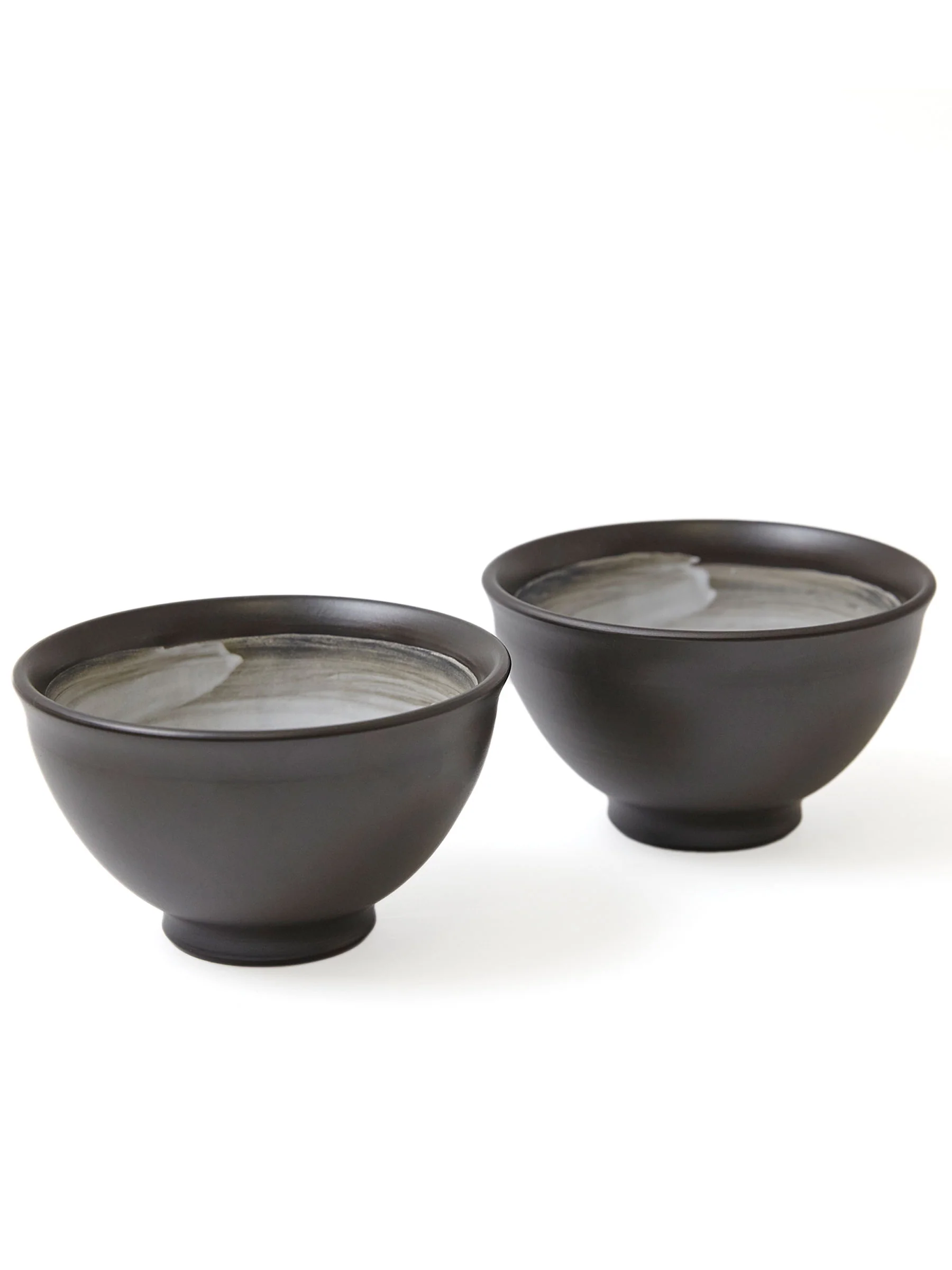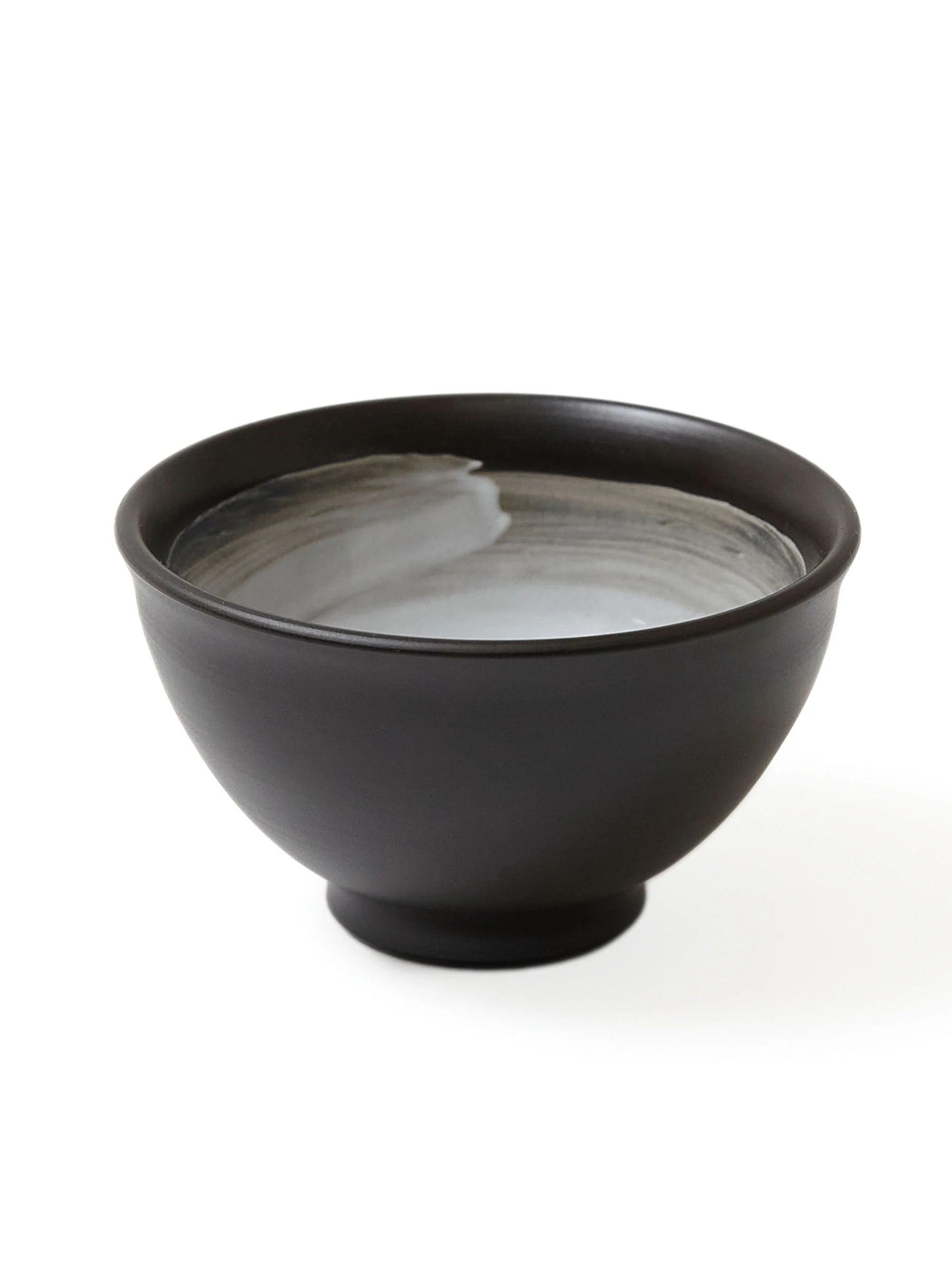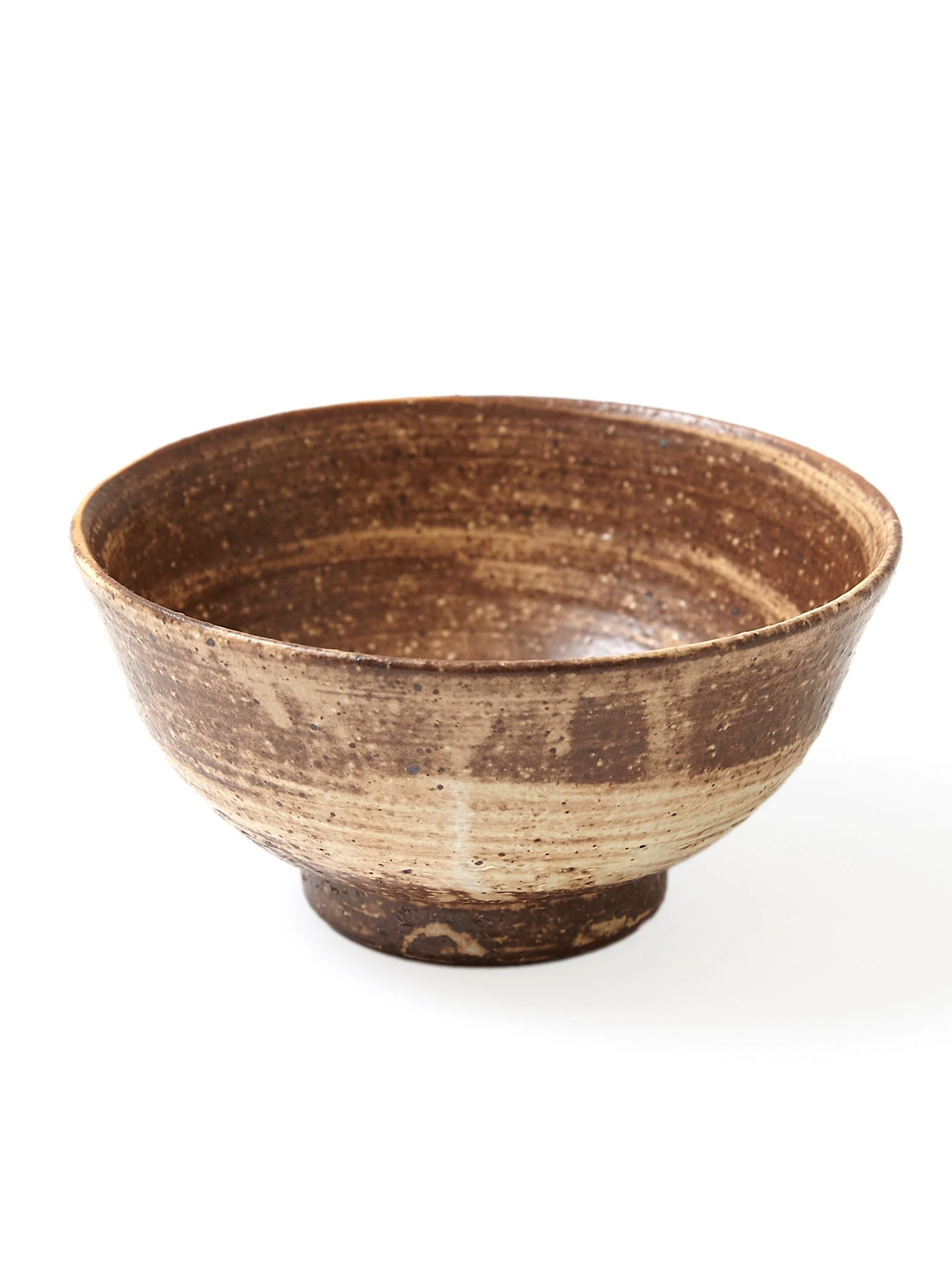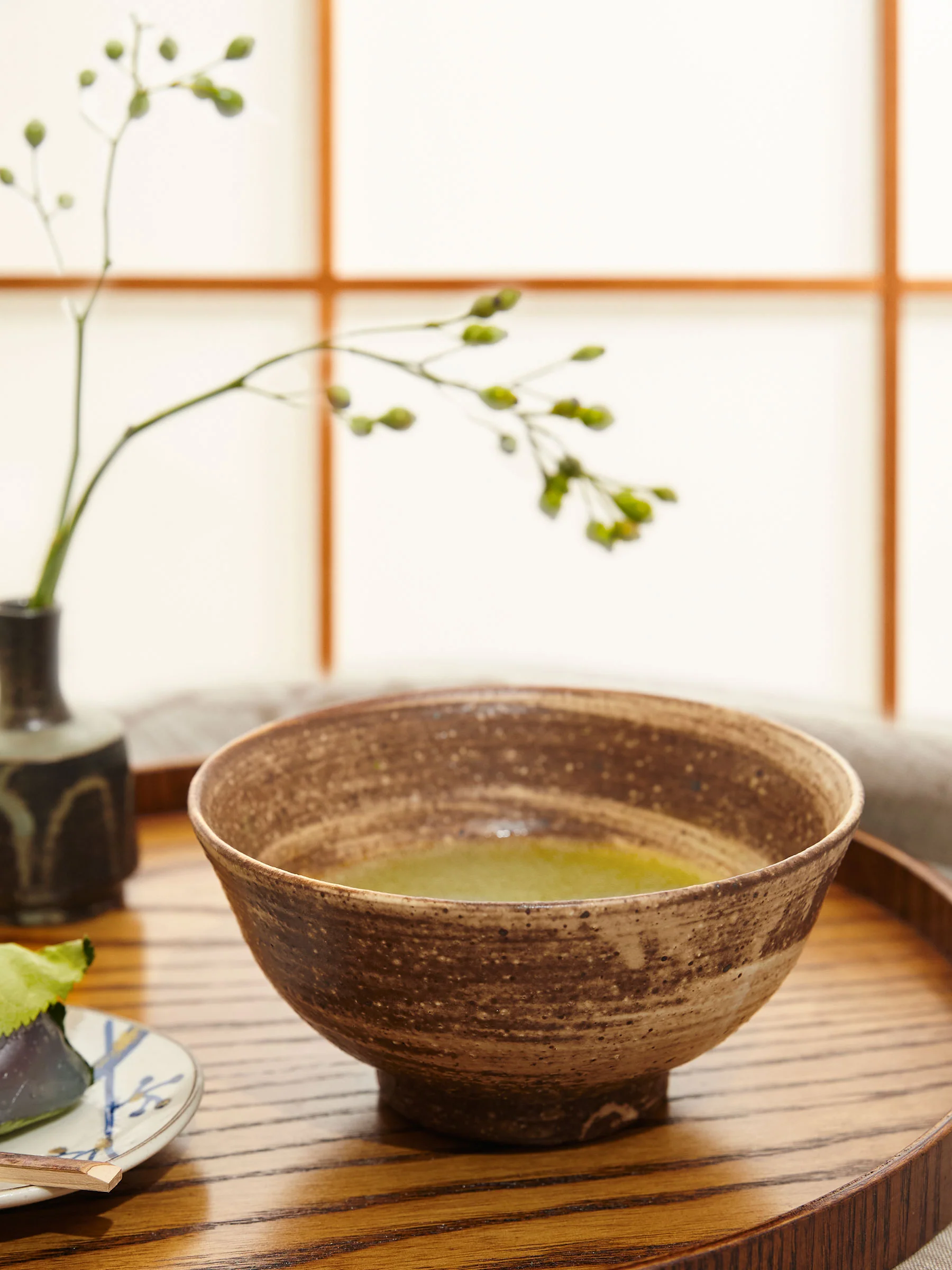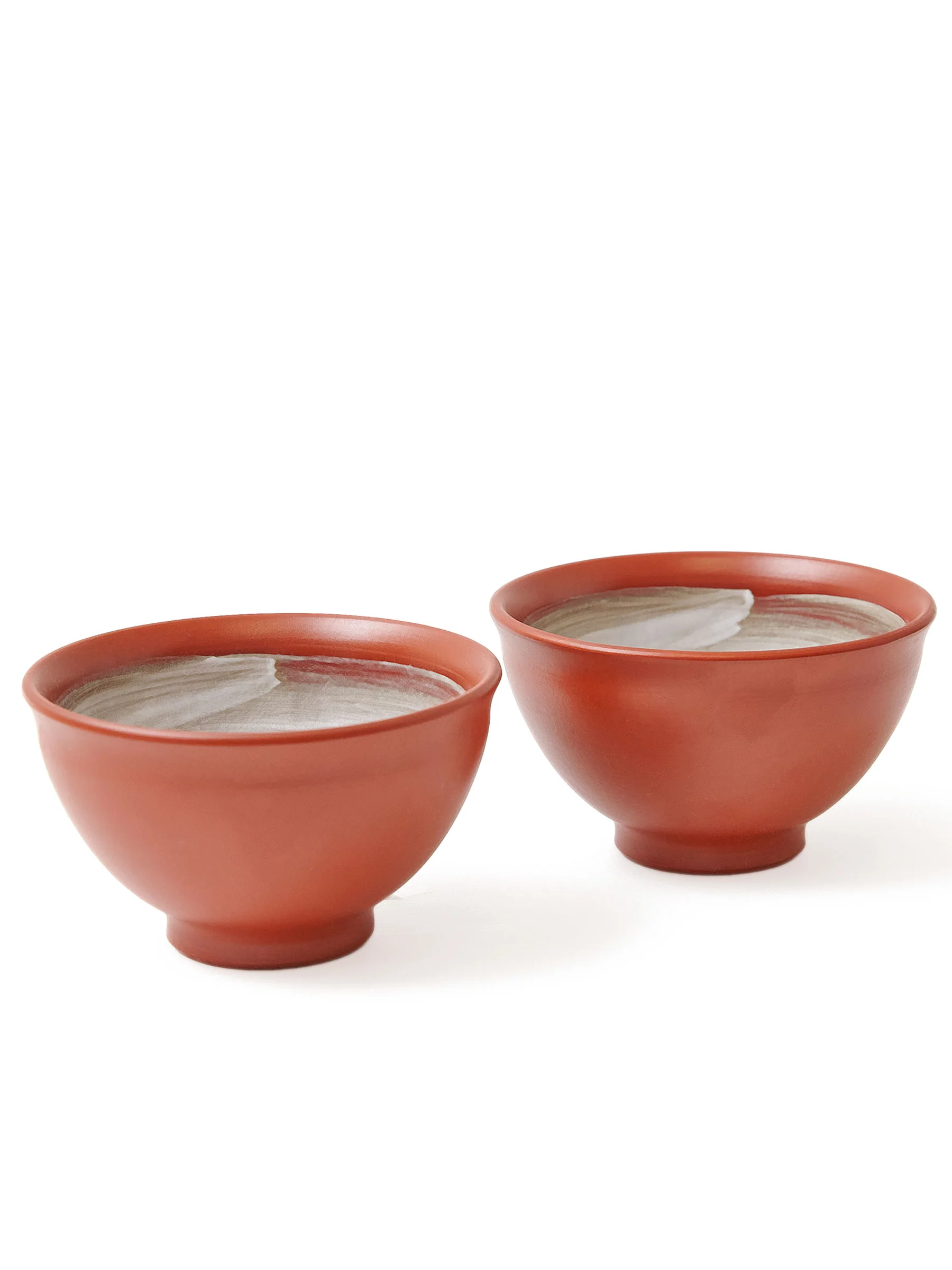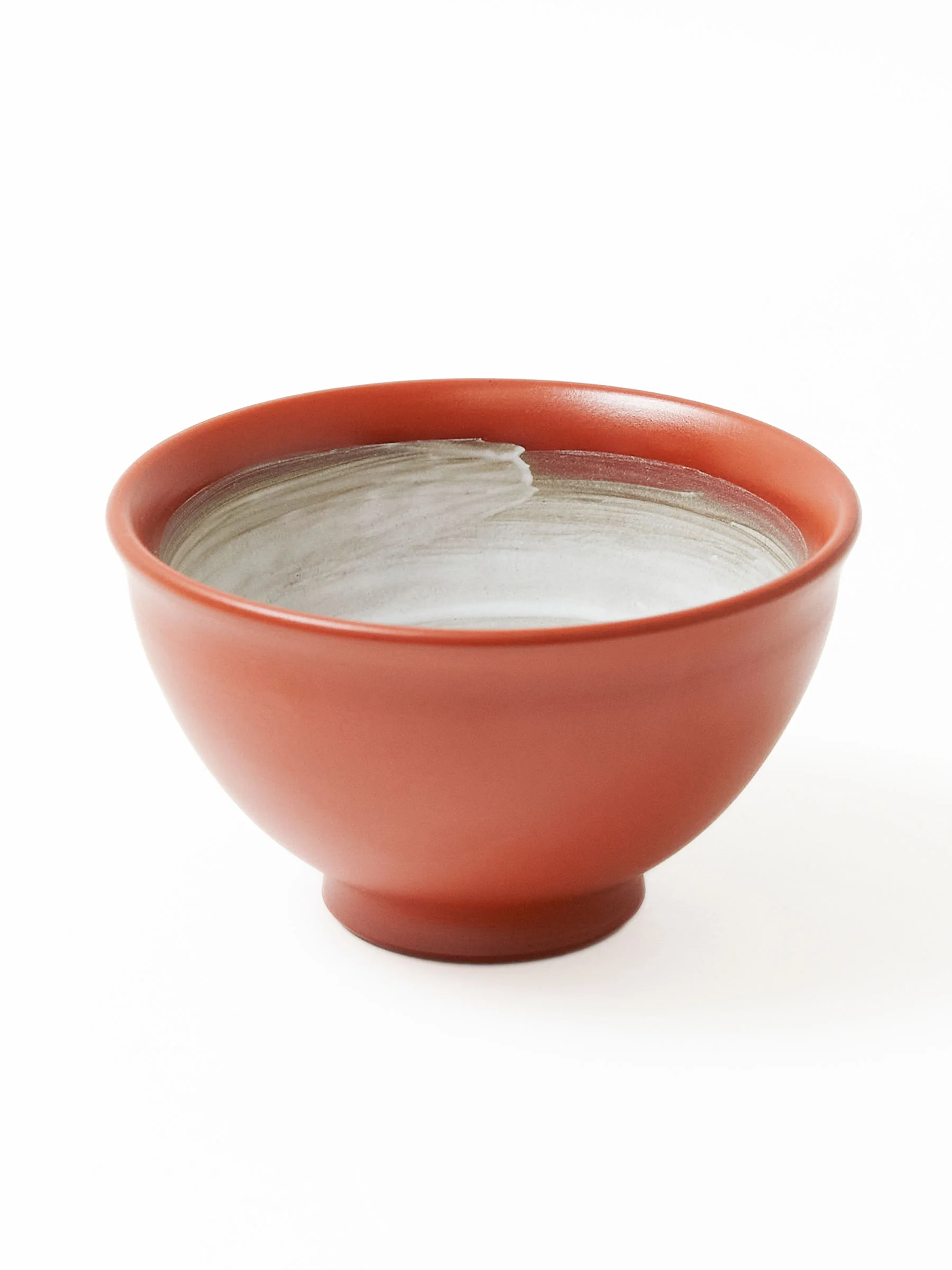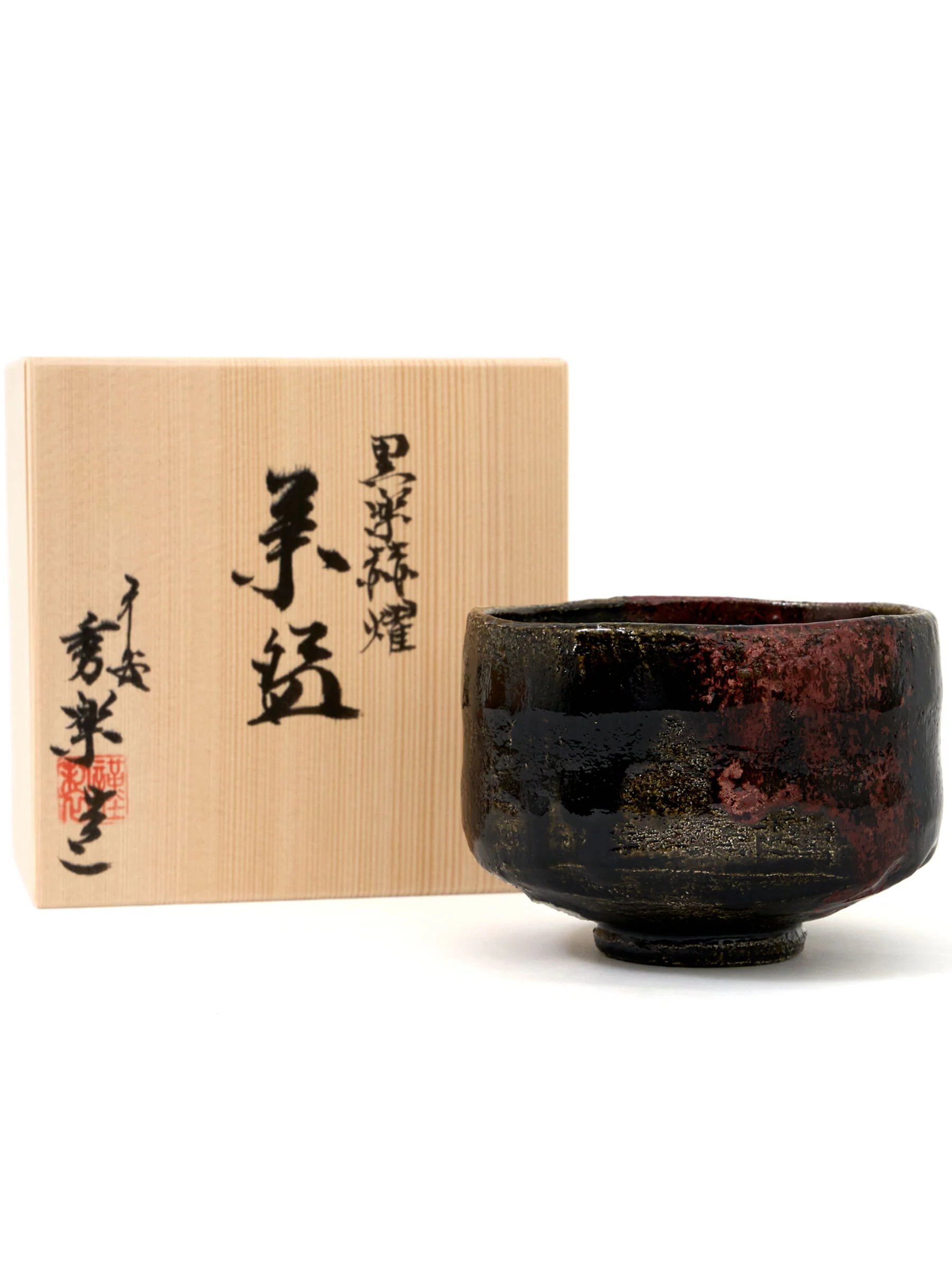
Black Raku Pottery Chawan Matcha Bowl by Shuraku
Why We Love It
This genuine Raku pottery matcha bowl is presented in a custom-made wooden box, signed by the artist, making a truly unique gift for any matcha lover.
This Raku matcha bowl has been handcrafted by Hideki Nishijima from Shuraku kiln, who opened his own kiln in 1972. Chawan is the ideal vessel for serving matcha powdered tea, whether it’s during a tea ceremony, or simply taking a meditative moment at home.
Why Choose a Raku Pottery Matcha Bowl?
Raku ware (楽焼, raku-yaki) is perhaps the quintessential Japanese pottery. An indispensable centerpiece of the Japanese tea ceremony, this ceramic art form has been highly appreciated by tea masters for its simplicity and austerity. With a history stretching back to 1580, Raku pottery remains today the most sought-after Japanese ceramics, and an unparalleled example of the wabi-sabi aesthetic.
Hand-sculpted rather than thrown on a potter’s wheel, Raku matcha bowls are molded using the tezukune technique, with the palms of the hand. A connection is then created between the master potter, who manually shaped the bowl, and the tea ceremony participant who holds it in their hands.
When dry, the rough clay is trimmed with an iron or bamboo scraper and covered with a translucent or opaque black glaze. In the traditional Japanese method, the bowls are briefly fired at low temperatures, taken out from the hot kiln at the peak of the firing, and allowed to cool in the open air.
Born in Kumamoto in 1948, Hideki Nishijima opened his own kiln, named Shuraku, in 1972. His works are humble and warm, with distinct wabi-sabi sensibility. Nishijima has participated in many solo and group exhibitions and has been recognized as a regular member of the Japan Crafts Association since 2000.
How to Care for Your Raku Pottery Matcha Bowl
Raku ware is known for its rough surface, which can be quite porous. Before you first use your matcha bowl, it is recommended to medome (“fill the eyes”) of your bowl. To do this, stir a cup of rice in some lukewarm water until the rice starch turns the water cloudy. Submerge your bowl in this starchy water to allow the rice powder to soak into the miniscule holes in the clay. After about 15 minutes, remove your bowl, give it a quick rinse, a thorough dry, and let it sit for 24 hours or so for the starch to set.
To clean your bowl, wash in warm water, avoiding soap unless necessary. Do not place your bowl in the dishwasher, and do not leave soaking. Be sure to dry the bowl thoroughly before putting it away.
Raku bowls are made from soft absorbent clay, so avoid using your bowl for strong-smelling or acidic foods, and be careful not to scratch with knives and other metal tools. .
Details
- Matcha bowl
- Includes custom-made wooden box, signed by the artist
- Handmade in Japan
- Free gift-wrapping in Japanese furoshiki cloth
- Raku ware
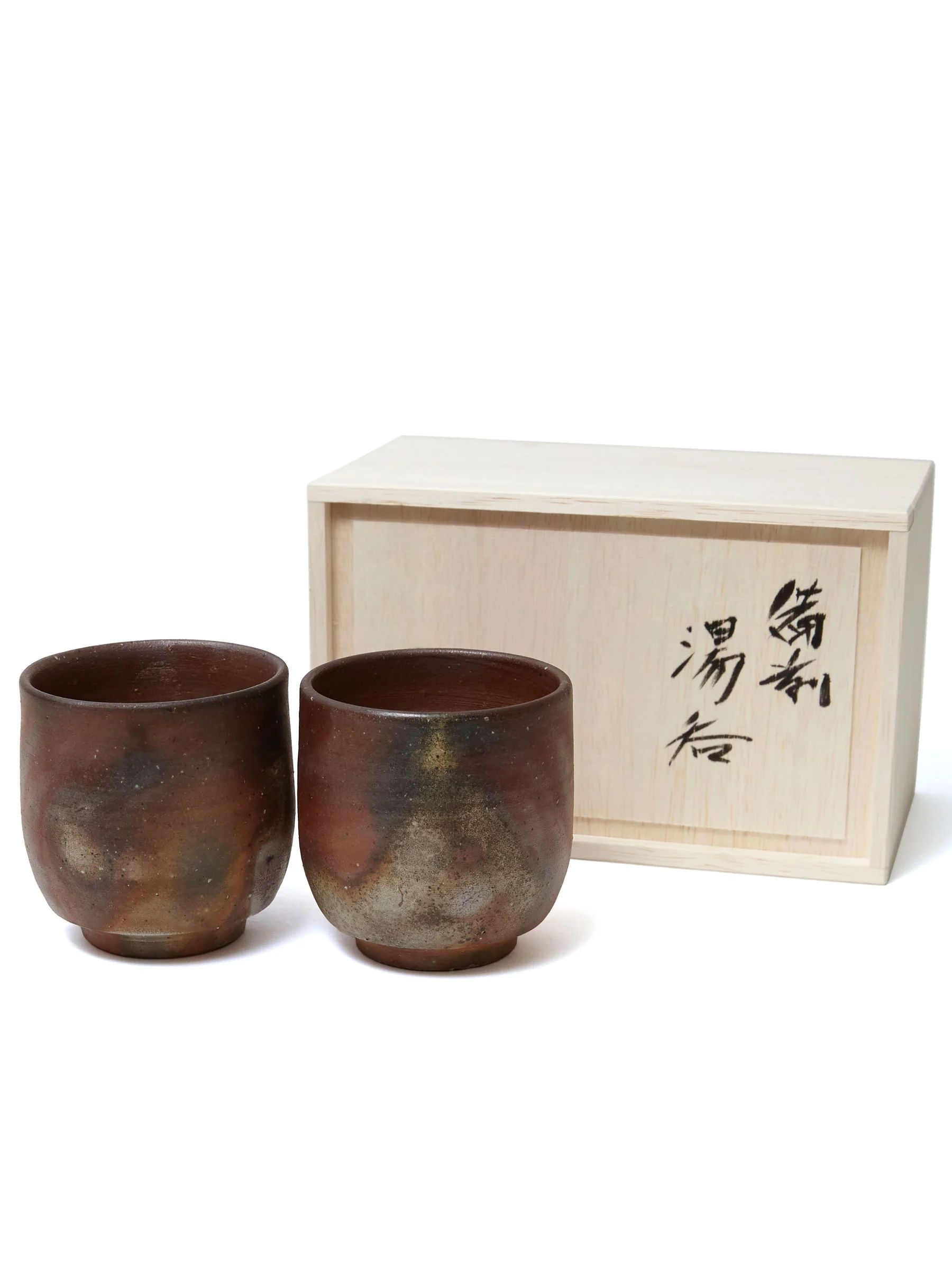
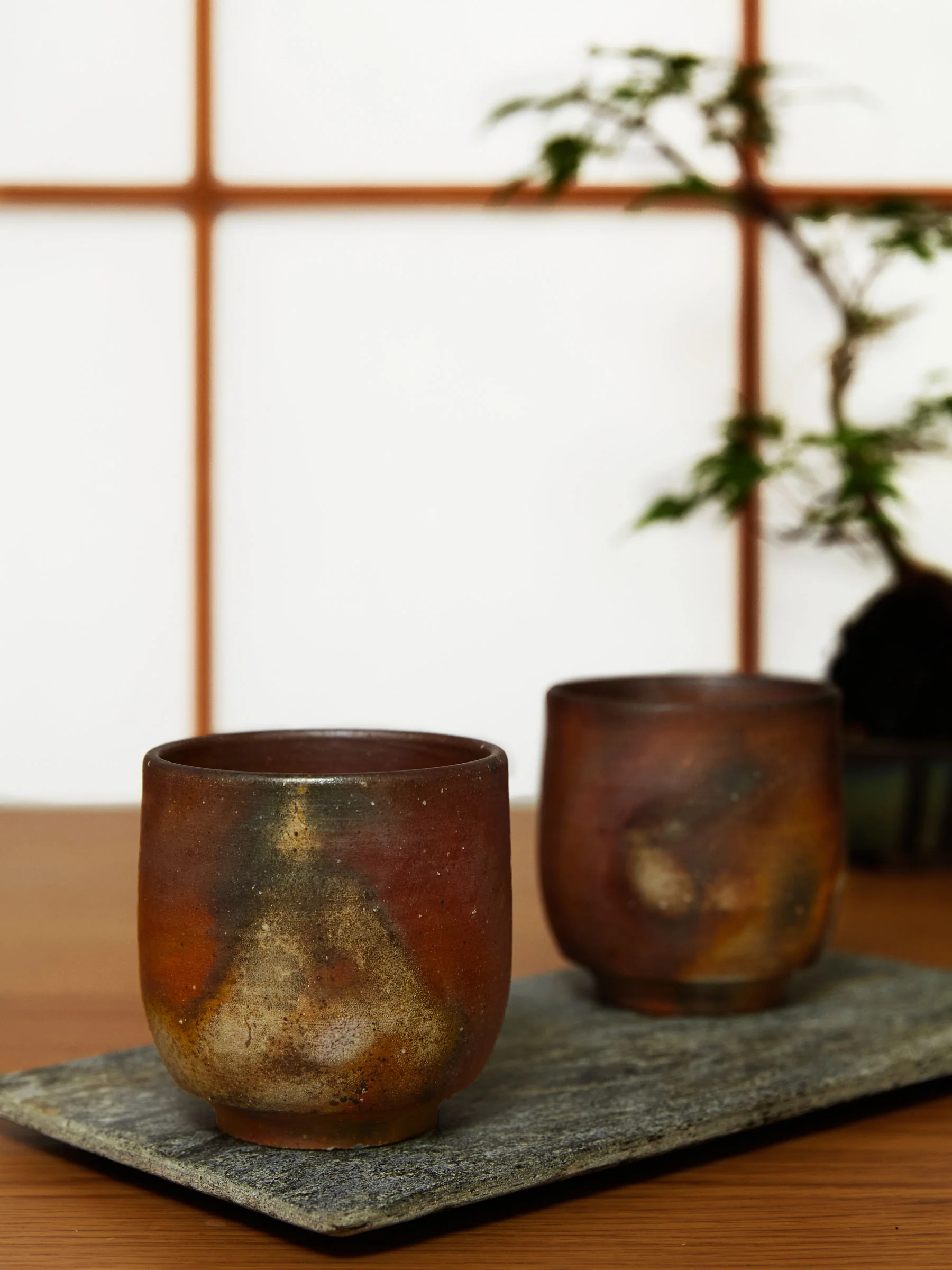
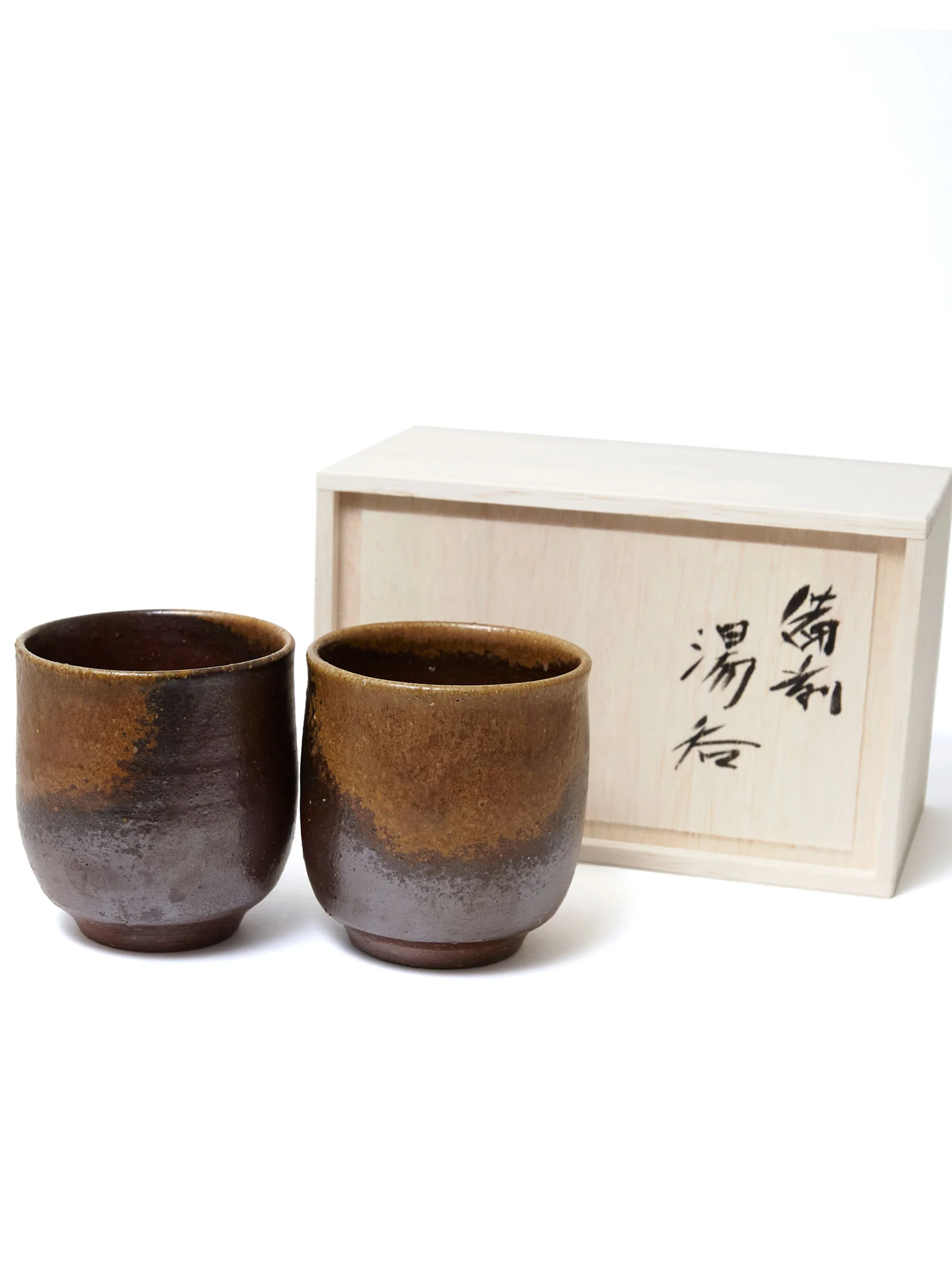
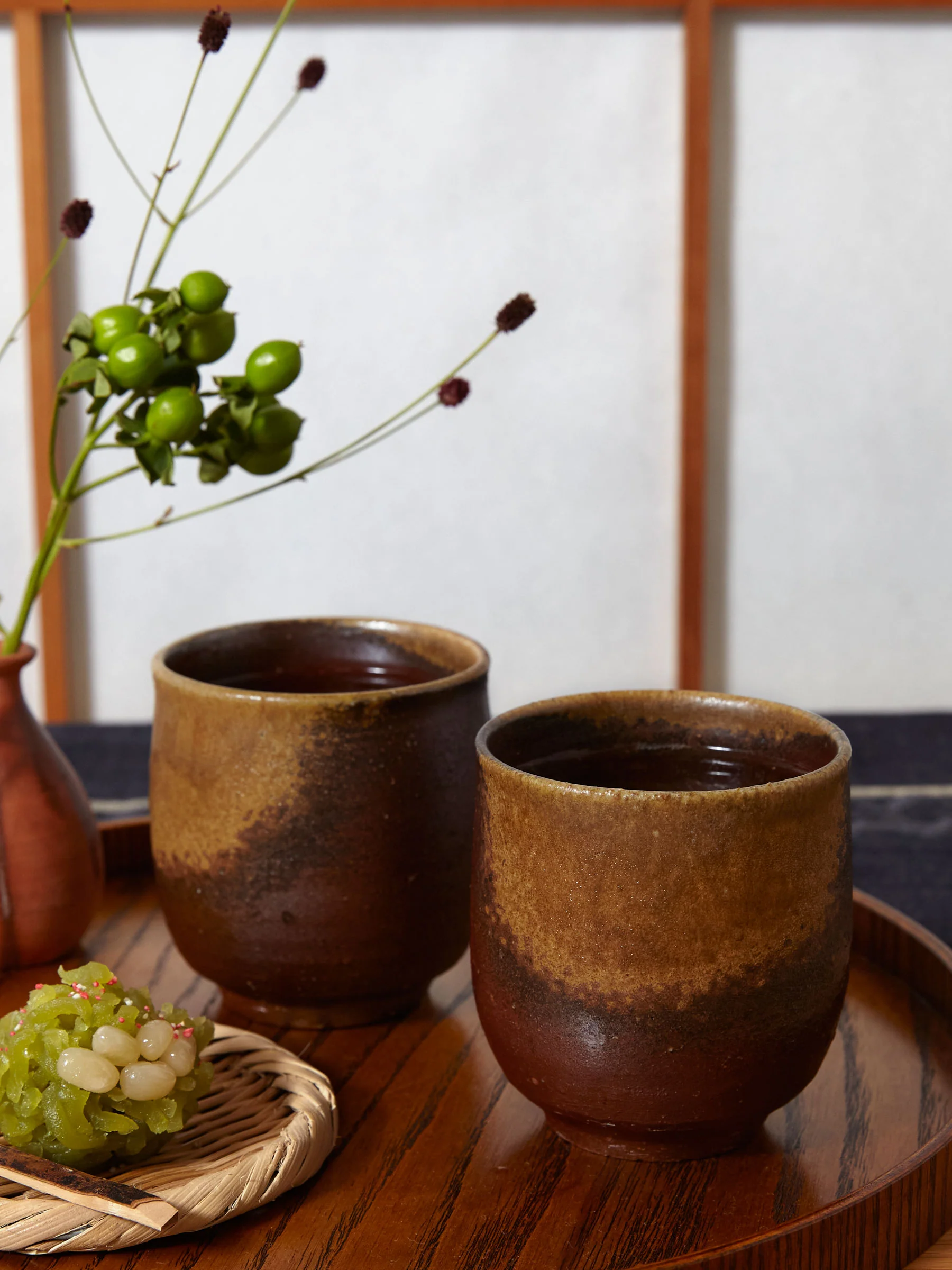
- As each handmade product is unique, there will be differences in size, color, and pattern from the photographs above.
- Size: Ø 4½” (12cm), height 3” (8cm)
- Product code: 95806BK
Why We Love It
This genuine Raku pottery matcha bowl is presented in a custom-made wooden box, signed by the artist, making a truly unique gift for any matcha lover.
This Raku matcha bowl has been handcrafted by Hideki Nishijima from Shuraku kiln, who opened his own kiln in 1972. Chawan is the ideal vessel for serving matcha powdered tea, whether it’s during a tea ceremony, or simply taking a meditative moment at home.
Why Choose a Raku Pottery Matcha Bowl?
Raku ware (楽焼, raku-yaki) is perhaps the quintessential Japanese pottery. An indispensable centerpiece of the Japanese tea ceremony, this ceramic art form has been highly appreciated by tea masters for its simplicity and austerity. With a history stretching back to 1580, Raku pottery remains today the most sought-after Japanese ceramics, and an unparalleled example of the wabi-sabi aesthetic.
Hand-sculpted rather than thrown on a potter’s wheel, Raku matcha bowls are molded using the tezukune technique, with the palms of the hand. A connection is then created between the master potter, who manually shaped the bowl, and the tea ceremony participant who holds it in their hands.
When dry, the rough clay is trimmed with an iron or bamboo scraper and covered with a translucent or opaque black glaze. In the traditional Japanese method, the bowls are briefly fired at low temperatures, taken out from the hot kiln at the peak of the firing, and allowed to cool in the open air.
Born in Kumamoto in 1948, Hideki Nishijima opened his own kiln, named Shuraku, in 1972. His works are humble and warm, with distinct wabi-sabi sensibility. Nishijima has participated in many solo and group exhibitions and has been recognized as a regular member of the Japan Crafts Association since 2000.
How to Care for Your Raku Pottery Matcha Bowl
Raku ware is known for its rough surface, which can be quite porous. Before you first use your matcha bowl, it is recommended to medome (“fill the eyes”) of your bowl. To do this, stir a cup of rice in some lukewarm water until the rice starch turns the water cloudy. Submerge your bowl in this starchy water to allow the rice powder to soak into the miniscule holes in the clay. After about 15 minutes, remove your bowl, give it a quick rinse, a thorough dry, and let it sit for 24 hours or so for the starch to set.
To clean your bowl, wash in warm water, avoiding soap unless necessary. Do not place your bowl in the dishwasher, and do not leave soaking. Be sure to dry the bowl thoroughly before putting it away.
Raku bowls are made from soft absorbent clay, so avoid using your bowl for strong-smelling or acidic foods, and be careful not to scratch with knives and other metal tools. .
Details
- Matcha bowl
- Includes custom-made wooden box, signed by the artist
- Handmade in Japan
- Free gift-wrapping in Japanese furoshiki cloth
- Raku ware
- As each handmade product is unique, there will be differences in size, color, and pattern from the photographs above.
- Size: Ø 4½” (12cm), height 3” (8cm)
- Product code: 95806BK
Description
Why We Love It
This genuine Raku pottery matcha bowl is presented in a custom-made wooden box, signed by the artist, making a truly unique gift for any matcha lover.
This Raku matcha bowl has been handcrafted by Hideki Nishijima from Shuraku kiln, who opened his own kiln in 1972. Chawan is the ideal vessel for serving matcha powdered tea, whether it’s during a tea ceremony, or simply taking a meditative moment at home.
Why Choose a Raku Pottery Matcha Bowl?
Raku ware (楽焼, raku-yaki) is perhaps the quintessential Japanese pottery. An indispensable centerpiece of the Japanese tea ceremony, this ceramic art form has been highly appreciated by tea masters for its simplicity and austerity. With a history stretching back to 1580, Raku pottery remains today the most sought-after Japanese ceramics, and an unparalleled example of the wabi-sabi aesthetic.
Hand-sculpted rather than thrown on a potter’s wheel, Raku matcha bowls are molded using the tezukune technique, with the palms of the hand. A connection is then created between the master potter, who manually shaped the bowl, and the tea ceremony participant who holds it in their hands.
When dry, the rough clay is trimmed with an iron or bamboo scraper and covered with a translucent or opaque black glaze. In the traditional Japanese method, the bowls are briefly fired at low temperatures, taken out from the hot kiln at the peak of the firing, and allowed to cool in the open air.
Born in Kumamoto in 1948, Hideki Nishijima opened his own kiln, named Shuraku, in 1972. His works are humble and warm, with distinct wabi-sabi sensibility. Nishijima has participated in many solo and group exhibitions and has been recognized as a regular member of the Japan Crafts Association since 2000.
How to Care for Your Raku Pottery Matcha Bowl
Raku ware is known for its rough surface, which can be quite porous. Before you first use your matcha bowl, it is recommended to medome (“fill the eyes”) of your bowl. To do this, stir a cup of rice in some lukewarm water until the rice starch turns the water cloudy. Submerge your bowl in this starchy water to allow the rice powder to soak into the miniscule holes in the clay. After about 15 minutes, remove your bowl, give it a quick rinse, a thorough dry, and let it sit for 24 hours or so for the starch to set.
To clean your bowl, wash in warm water, avoiding soap unless necessary. Do not place your bowl in the dishwasher, and do not leave soaking. Be sure to dry the bowl thoroughly before putting it away.
Raku bowls are made from soft absorbent clay, so avoid using your bowl for strong-smelling or acidic foods, and be careful not to scratch with knives and other metal tools. .
Details
- Matcha bowl
- Includes custom-made wooden box, signed by the artist
- Handmade in Japan
- Free gift-wrapping in Japanese furoshiki cloth
- Raku ware
- As each handmade product is unique, there will be differences in size, color, and pattern from the photographs above.
- Size: Ø 4½” (12cm), height 3” (8cm)
- Product code: 95806BK